How Much Does Legal Really Cost a Growing Startup? (And How to Make It Predictable)
Legal rarely becomes expensive all at once.
It becomes expensive when risk shows up late.
Most founders experience legal as unpredictable. Reviews suddenly become urgent. Invoices arrive irregularly. Deals stall without a clear explanation. Compared to finance, hiring, or product, legal often feels reactive rather than planned.
That unpredictability is usually blamed on lawyers. In reality, it’s a workflow problem.
Where Cost Actually Creeps In
Legal costs don’t spike because lawyers read too much. They spike because legal gets involved after key decisions are already constrained.
By the time a contract reaches review:
Commercial terms are already agreed
Timelines are compressed
Leverage is limited
Risk has already been accepted—often unknowingly
At that stage, legal work turns into damage control. And damage control is always more expensive than early structuring.
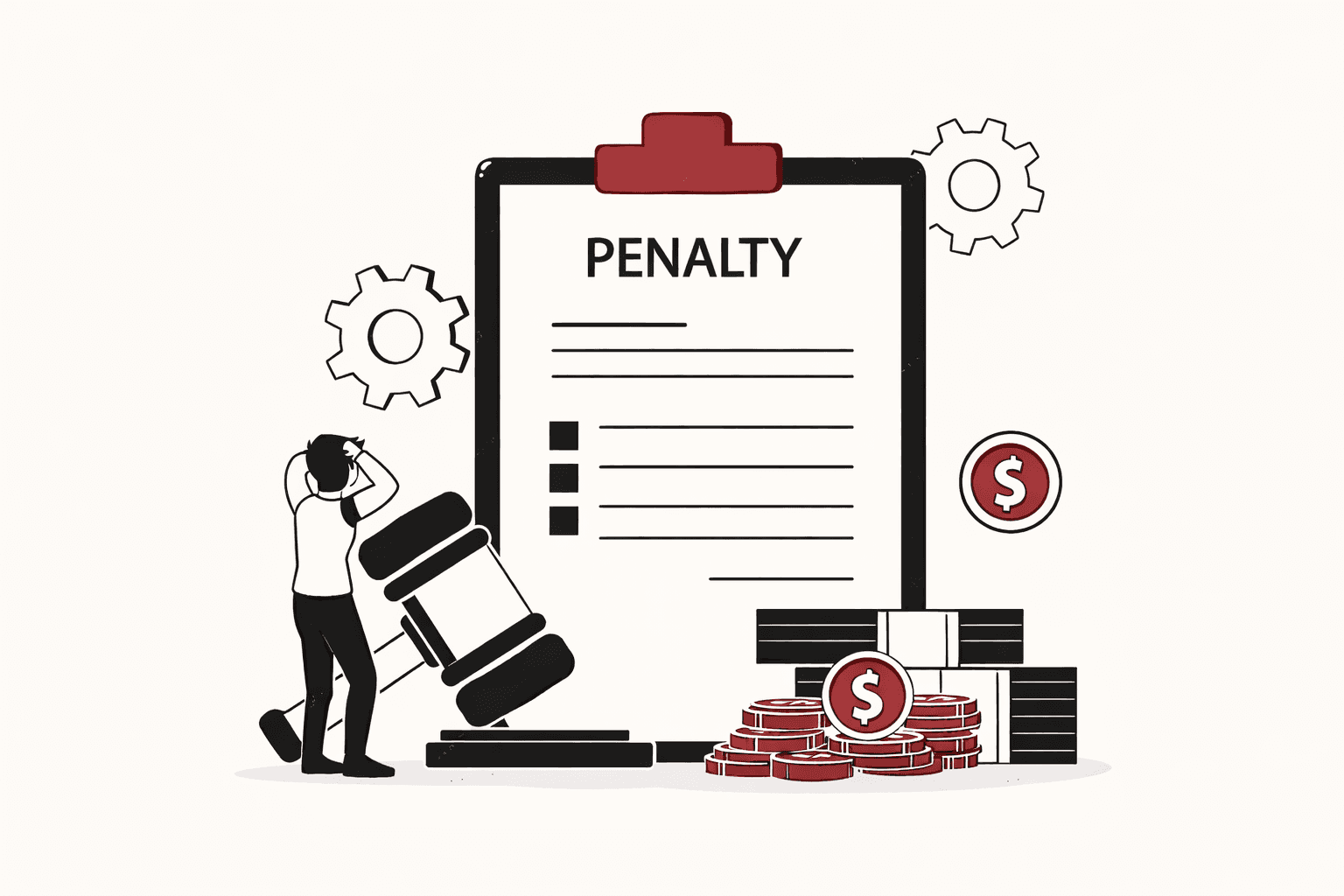
How Lawyers Really Review Contracts
Contrary to popular belief, most lawyers don’t read contracts line by line with equal attention. Experienced reviewers scan first, triage quickly, and then go deep selectively.
They instinctively look for clauses that create real exposure:
Liability caps
Termination rights
Payment mechanics
Data and confidentiality obligations
That instinct is efficient. The problem is that many workflows and tools force everything to be treated equally. When every clause demands the same level of attention, prioritisation disappears. Senior legal time gets spent identifying issues rather than evaluating trade-offs, negotiating outcomes, or advising on risk.
Predictable Legal Cost Comes From Visibility
Teams with predictable legal spend don’t necessarily spend less on legal. They spend more deliberately.
In practice, that means:
Surfacing high-impact risks early
Focusing review on clauses that actually affect exposure
Using senior legal judgment where it truly adds value
When risks are visible upfront, reviews move faster, negotiations shorten, and fewer decisions need to be reopened later.
Where Technology Fits
Technology helps when it mirrors how lawyers already think—not when it tries to replace judgment. Not by promising “risk-free contracts,” but by highlighting what matters, early.
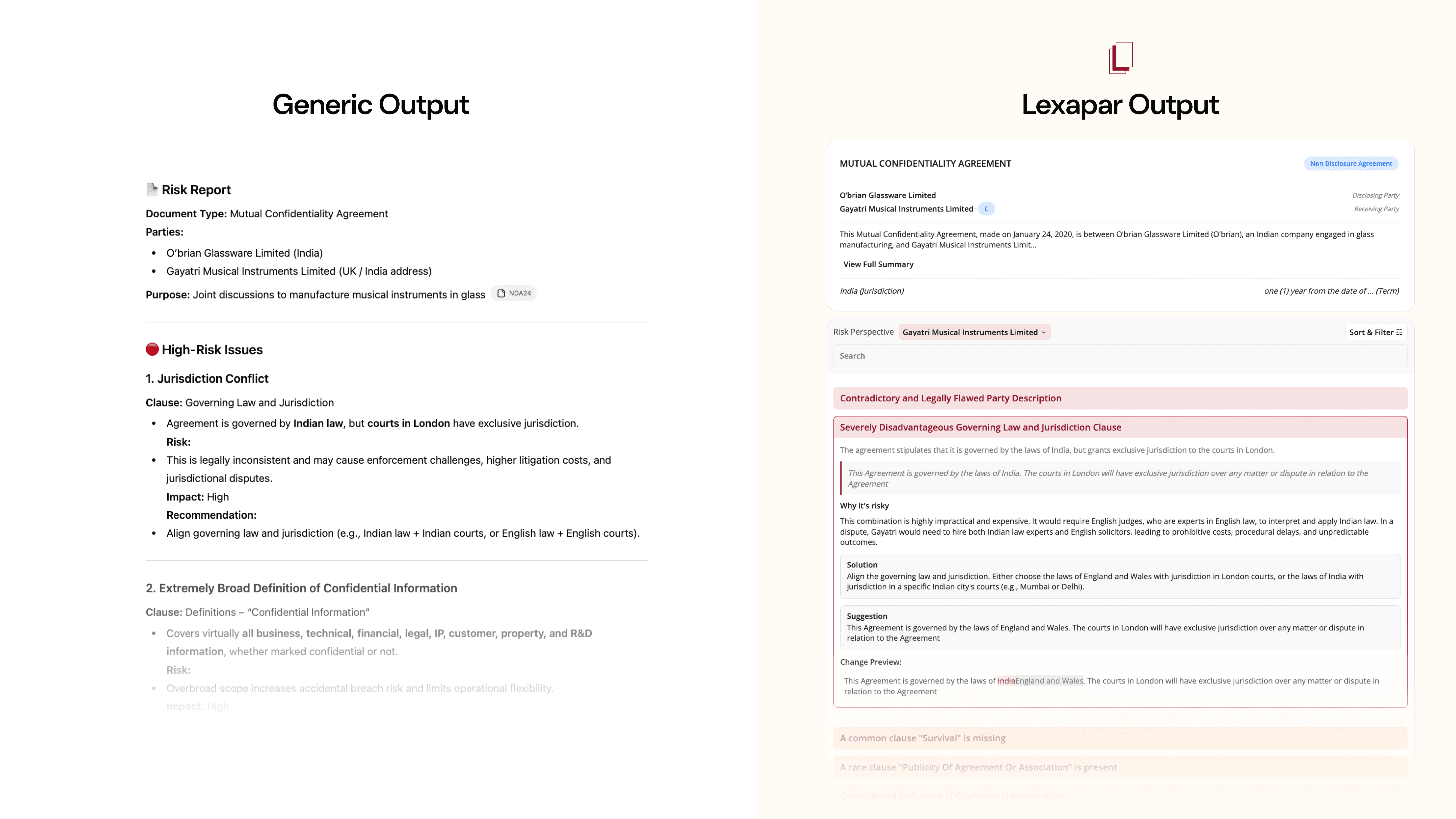
When risk is prioritised upfront, legal stops being a late-stage blocker and becomes part of the decision-making process.
Legal becomes expensive when it’s reactive.
It becomes predictable when it’s structured.
Conclusion
Legal costs aren’t driven by volume of work, but by the timing and clarity of decisions. When risk is identified early and reviewed with intent, legal shifts from firefighting to foresight. It is not about spending less on Legal Costs, it’s about structuring legal to support growth, not slow it down.”
Make Legal Costs Predictable
Surface risk early and control legal spend before deals lock in.
