CLM vs Shared Drive: Why Google Docs Is Not a Legal System
The Shared Drive Problem
Most startups manage contracts in Google Drive or a shared folder. The logic is straightforward. It is free, familiar, and everyone already uses it. Contracts are documents, and documents live in folders.
The problem is not storage. The problem is what storage does not do.
A shared drive holds files. A contract management system tracks obligations, surfaces risk, records decisions, and provides visibility across a portfolio of agreements. These are fundamentally different functions. Treating them as equivalent is a common source of avoidable legal exposure in growing companies.
Lexapar exist precisely because contracts stop behaving like simple documents once a company begins operating at scale. At that stage, agreements create operational obligations that need to be tracked, reviewed, and understood across the business.
What a Shared Drive Can't Tell You
Ask a few basic questions of your current contract folder.
Which of your active agreements expire in the next ninety days?
Where have you accepted unlimited liability?
Which customers have data processing obligations that exceed your current operational controls?
Where has your standard liability cap been varied, and who approved it?
What indemnity obligations exist across your vendor base?
If answering any of these requires manually opening documents, the reality is simple. You do not actually know the answer. You have the documents. You do not have the intelligence.This distinction becomes expensive at three predictable moments.
When you are negotiating a renewal and cannot easily see what was agreed in the previous contract cycle. When an investor asks for a clear summary of contractual exposure during diligence. When a regulator or enterprise customer asks how contractual obligations are monitored across the business.
A shared drive cannot answer those questions. Lexapar is designed to extract and structure this information so that obligations, renewal timelines, and negotiated risk positions are visible without manually reviewing every agreement.
What CLM Actually Provides
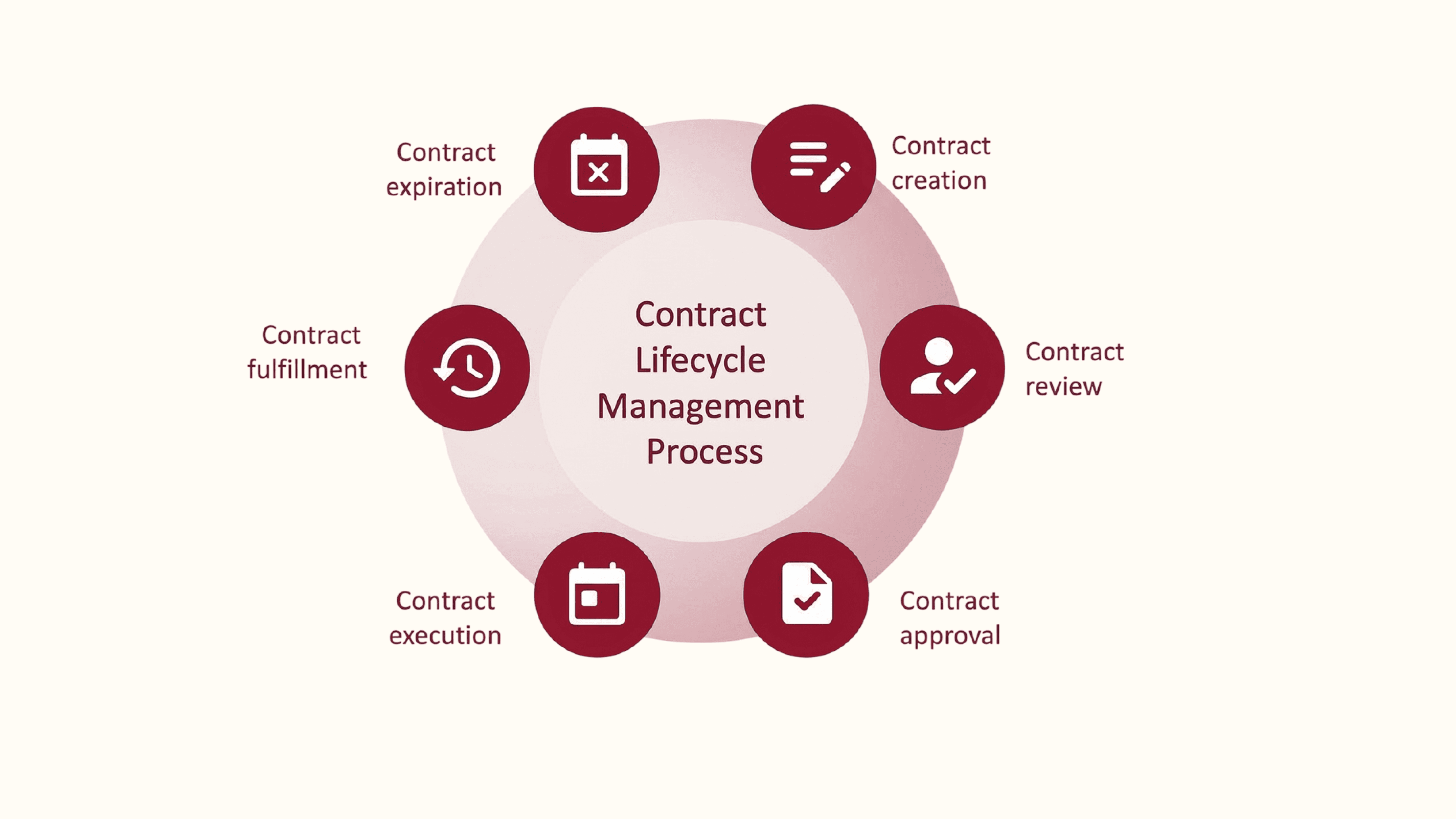
Contract Lifecycle Management is often described as a better filing system. That description misses the point. CLM performs a different operational function.
It converts contracts from static documents into structured obligations that can be tracked and managed across the organisation.
The capabilities that distinguish CLM from document storage include:
1. Obligation tracking
Renewal dates, notice periods, payment triggers, and compliance commitments are surfaced automatically rather than buried inside contract text. In Lexapar, these obligations are extracted and tracked so legal teams and operators know which commitments require action before deadlines pass.
2. Deviation management
When standard risk positions change such as a higher liability cap, expanded indemnity, or altered termination rights, the deviation is recorded together with the approval behind it. Lexapar flags these variations against the company’s legal playbook so risk positions remain visible across the contract portfolio.
3. Portfolio level risk visibility
Individual contracts rarely look problematic when reviewed in isolation. Accumulated deviations across dozens of agreements can materially change the company’s exposure. Structured systems allow legal teams to see those patterns rather than discovering them during diligence.
4. Workflow integration
Reviews follow defined processes rather than informal email threads. Legal, finance, and commercial teams review agreements within a structured approval path. In Lexapar, contract reviews are tied to playbooks and internal risk thresholds so decisions are documented as they happen.
5. Audit trail
In regulated industries, demonstrating that contracts were reviewed and approved deliberately is often as important as the contract language itself. Systems that record approvals and changes provide a defensible record of how legal decisions were made.
Shared drives are adequate at a specific stage of a company’s life. Contract volume is low. Counterparties are relatively unsophisticated. The downside of a missed obligation is manageable.Most companies move past that stage earlier than they realise. The trigger complexity.
Contracts begin carrying regulatory obligations. Enterprise buyers begin negotiating risk positions. Investors start asking how contractual exposure is managed across the company.At that point the absence of legal infrastructure becomes visible.
Implementing a system such as Lexapar early means obligations, approvals, and negotiated deviations are captured as contracts move through the business. Implementing it later often means reconstructing years of decisions that were never formally recorded.
That reconstruction effort is slow, expensive, and entirely avoidable.
Common Objections and the Honest Response ( Optional to add bit)
We are too small for CLM: The question is visibility.Even a small number of agreements can create regulatory obligations, data commitments, or liability exposure that the business needs to understand clearly. Lexapar exists to provide that visibility before the contract portfolio becomes large.
Our lawyer manages this already: External counsel manages negotiations and legal advice. They do not track operational obligations across the company’s contract portfolio. That responsibility sits within the organisation.
We will implement it when we are bigger: Companies that delay legal infrastructure often discover that their contracting history is built on undocumented decisions and informal approvals. Implementing a structured system at that stage requires reconstructing those decisions rather than simply building forward.
The Right Framing
Google Docs is excellent software. It is not a legal system.
The confusion arises because contracts are documents, and documents are what Google Docs manages well.
But contracts are not simply documents. They represent live obligations, negotiated risk allocations, and operational commitments that affect how a company functions over time.
Treating them purely as files inside folders creates a structural blind spot. That blind spot becomes visible during fundraising, enterprise sales, regulatory review, and investor diligence. Legal infrastructure exists to remove that blind spot.
Systems like Lexapar transform contracts from static documents into structured legal data. Obligations are tracked, risk deviations are surfaced, approvals are recorded, and contractual exposure becomes visible across the organisation.
For a growing company, that shift is not administrative overhead.
It is the infrastructure that makes legal defensible when defensibility is required.
Move Beyond Shared Drive Contracts
Track obligations, surface risk, and manage contracts as legal infrastructure.
